
Beyond the Algorithm: How AI is Reshaping the Future of Recruitment and Talent Acquisition
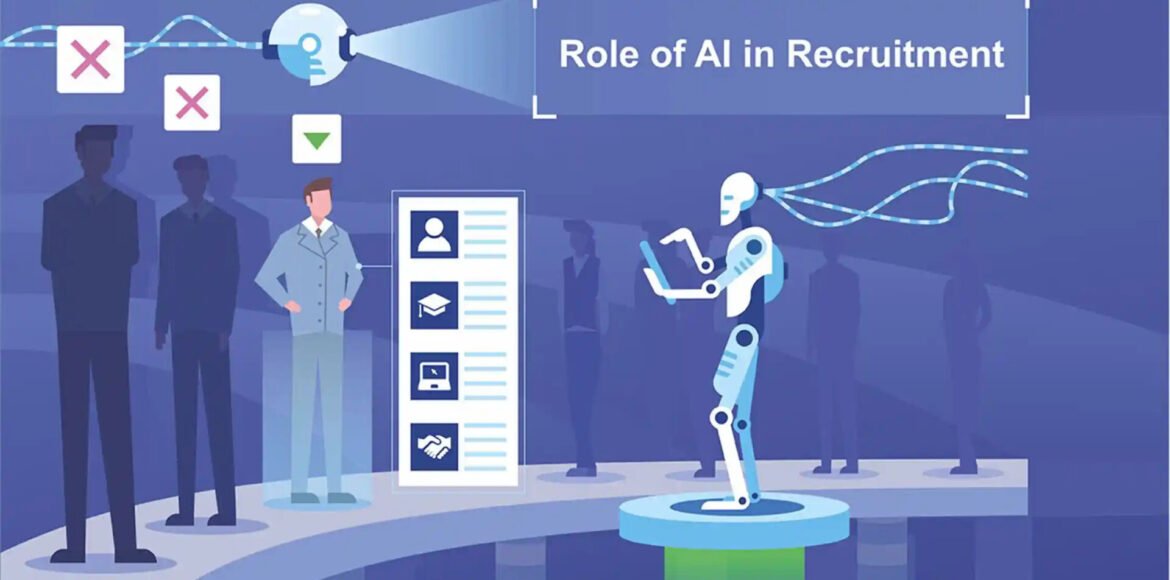
The landscape of talent acquisition is undergoing a seismic shift. For decades, recruitment was defined by manual sourcing, endless resume screening, and gut-feeling decisions. Today, we are in the midst of a technological renaissance driven by Artificial Intelligence (AI).
However, a common misconception persists: that AI is here to replace the recruiter. As HR professionals, we must reframe this narrative. AI is not a replacement for human intuition and empathy; it is a powerful co-pilot. It is the bridge between operational efficiency and strategic talent acquisition.
In this article, we will explore the multifaceted role of AI in recruitment, examining its applications, benefits, ethical considerations, and best practices for implementation.
The Core Applications of AI in the Recruitment Lifecycle
AI is no longer a futuristic concept; it is actively embedded in modern Applicant Tracking Systems (ATS) and standalone HR tech platforms. Here is how it is transforming each stage of the talent acquisition funnel:
1. Proactive Sourcing and Talent Mapping
Traditionally, recruiters waited for applications or manually scoured LinkedIn. AI shifts recruitment from reactive to proactive. Machine learning algorithms can analyze millions of data points across the web to identify “passive” candidates who match a specific skill set, career trajectory, and cultural profile. AI tools can even predict when a top performer at a competitor might be open to a new opportunity based on subtle digital footprints.
2. Intelligent Resume Screening and Parsing
The “resume black hole” is a major pain point for both candidates and recruiters. AI-powered parsing goes far beyond simple keyword matching. Natural Language Processing (NLP) allows the system to understand context, infer skills from job descriptions, and evaluate a candidate’s holistic profile. It can rank candidates based on predictive fit, reducing the time recruiters spend on initial screening from days to minutes.
3. 24/7 Candidate Engagement and Communication
In a competitive market, speed is a differentiator. AI-driven conversational chatbots and virtual assistants can engage candidates the moment they apply. These bots can answer FAQs, pre-screen candidates with basic qualifying questions, and even integrate with calendars to schedule interviews automatically. This ensures no candidate is left in the dark, drastically improving the candidate experience.
4. Advanced Assessments and Interviewing
AI is revolutionizing how we assess capability.
- Gamified Assessments: AI analyzes how candidates solve complex, game-like problems to measure cognitive abilities and behavioral traits.
- Asynchronous Video Interviews: Some platforms use AI to analyze a candidate’s facial expressions, tone of voice, and word choice during recorded video interviews to gauge soft skills and sentiment. (Note: This specific application requires careful ethical consideration, discussed below).
5. Predictive Analytics and Decision Support
AI transforms recruitment from a cost-center into a data-driven strategic function. Predictive analytics can forecast time-to-fill, identify bottlenecks in the hiring funnel, and even predict a candidate’s likelihood of accepting an offer or their potential long-term retention and performance based on historical company data.

The Business Case: Why HR Leaders Must Embrace AI
Integrating AI into recruitment is not just about adopting the latest tech trend; it delivers measurable business outcomes.
- Drastic Reduction in Time-to-Hire: By automating administrative tasks and screening, recruiters can fill roles faster, reducing the cost of vacant positions and lost productivity.
- Enhanced Candidate Experience: Modern candidates expect a consumer-grade experience. AI provides instant acknowledgments, personalized updates, and frictionless scheduling, protecting the employer brand.
- Mitigation of Unconscious Bias: While human recruiters are susceptible to unconscious biases (affinity bias, halo effect), properly calibrated AI evaluates candidates strictly on skills, qualifications, and predictive data, fostering a more diverse pipeline.
- Elevating the Recruiter’s Role: By offloading repetitive tasks to AI, recruiters are freed to focus on high-value activities: building relationships, selling the company vision, negotiating offers, and advising hiring managers.
The Elephant in the Room: Challenges and Ethical Considerations
As HR professionals, we are the guardians of both the candidate experience and the company’s ethical standards. The deployment of AI in recruitment is not without significant risks that must be actively managed.
1. Algorithmic Bias
AI is only as objective as the data it is trained on. If an AI model is trained on historical hiring data that favored a certain demographic, it will learn and replicate that bias. (The infamous case of a major tech company’s AI resume screener penalizing resumes containing the word “women’s” is a stark reminder). Continuous auditing and retraining of AI models are non-negotiable.
2. The Loss of the “Human Touch”
Recruitment is inherently human. Over-automation can make the process feel cold and transactional. Candidates want to connect with humans who can convey company culture and empathy. AI should handle the administrative heavy lifting, but humans must handle the relationship building.
3. Data Privacy and Compliance
AI systems require vast amounts of data to function. HR leaders must ensure their AI vendors comply with global data privacy regulations like GDPR and CCPA. Candidates must be informed about how their data is being processed and stored.
4. Candidate Pushback
Some candidates feel uneasy being assessed by an algorithm, particularly in video or facial analysis interviews. Transparency is key. Candidates should always know when they are interacting with an AI and have the option to request a human interaction.

Best Practices for Implementing AI in Recruitment
To harness the power of AI while mitigating its risks, HR leaders should adopt the following strategic framework:
- Adopt a “Human-in-the-Loop” (HITL) Approach: AI should augment decision-making, not automate it entirely. Use AI to shortlist and recommend, but ensure a human recruiter makes the final hiring decision.
- Prioritize Transparency: Be upfront with candidates. Include disclaimers on your career page stating that AI tools are used in the recruitment process, and explain how the data is used.
- Audit for Bias Regularly: Treat your AI algorithms like your employees—review their “performance” regularly. Conduct disparate impact analyses to ensure the AI is not disproportionately filtering out protected classes.
- Upskill Your Talent Acquisition Team: Do not let your recruiters fear the technology. Invest in training them to understand how the AI works, how to interpret its data, and how to leverage it to become more strategic.
- Choose Ethical Vendors: When procuring AI recruitment tools, vet the vendors rigorously. Ask for their bias mitigation strategies, data security protocols, and explainability of their algorithms (can they explain why the AI made a specific recommendation?).
Conclusion: The Era of Augmented Intelligence
The role of AI in recruitment is profound, but it is not a panacea. Technology cannot assess cultural add, gauge a candidate’s passion, or negotiate a complex employment contract with empathy and nuance.
The future of recruitment does not belong to AI alone, nor does it belong to traditional manual processes. The future belongs to Augmented Intelligence—the seamless collaboration between human empathy and machine efficiency.
By strategically implementing AI, HR leaders can build faster, fairer, and more effective talent acquisition engines. Ultimately, the goal of AI in recruitment is not to remove the human from Human Resources, but to give HR professionals the time, data, and insights they need to be more human than ever.